
You see the late notices piling up, your car payment is already a month or two behind, and you are wondering if a tow truck could show up in your Springfield driveway at any moment. Losing that vehicle would not just be inconvenient. It could mean lost hours at work, missed medical appointments, or scrambling to get kids where they need to be. That kind of stress makes it hard to think clearly about options and timing.
For many people in this spot, bankruptcy comes up as an idea, but it is not clear whether that will help or just make things worse. Some friends say you will automatically lose your car, others insist bankruptcy instantly fixes everything. The truth lies in between, and it depends on your exact loan, how far behind you are, and which type of bankruptcy you use. You need real information that matches how repossession and bankruptcy actually work in Springfield, not just general advice from the internet.
At Licata Bankruptcy Firm, our multi-lawyer team works only on bankruptcy cases in Missouri, and a large share of the conversations we have with Springfield clients center on car loans and repossession threats. We see the same patterns over and over, which means we can explain in plain language what commonly happens and what choices you may have. In this guide, we walk through how car loans, repossession, and bankruptcy fit together so you can make decisions based on facts instead of fear.
Worried about losing your vehicle? Learn how bankruptcy may affect car repossession and speak with a Springfield bankruptcy lawyer at Licata Bankruptcy Firm. Call us today at (417) 213-5006 or contact us online to discuss your options.
Why Car Loans Feel So Risky When Money Gets Tight In Springfield
A car loan is different from most of your other bills because it is a secured debt. When you signed the paperwork at the dealership or credit union, you did not just agree to make monthly payments. You also agreed that if you stopped paying, the lender could take the vehicle back and sell it to cover what you owe. That security interest, also called a lien, is what turns a missed payment into a real risk of repossession.
In Springfield, losing a car often creates immediate problems that go far beyond credit scores. Many of our clients commute to jobs around Greene County, take kids to schools across town, or need to reach medical providers like CoxHealth and Mercy facilities. Public transportation options are limited compared to larger cities, and ride shares or borrowing cars from friends are not long-term solutions. When you are already juggling bills, the idea of paying for taxis or constant repairs on a cheap replacement car can feel just as overwhelming as the current loan.
Because of that, people tend to feel trapped. We regularly hear comments like, “If I miss one more payment, they can take the car any second,” or “If I file bankruptcy, they will definitely take my car away.” Others believe they have no choice but to keep paying on a vehicle that is worth far less than the balance, simply because they need wheels for work. Those assumptions are understandable, but they are not always accurate. Understanding how lenders typically act, and how bankruptcy changes the picture, is the first step toward regaining some control.
At Licata Bankruptcy Firm, many first conversations begin with someone saying they are terrified the lender is going to take their car. We sit down and look at the loan documents, payment history, and the rest of the budget, then explain the real level of risk and the options that exist under Missouri law and the federal bankruptcy system. Once people see the actual rules, decisions about the car become much less mysterious and much more manageable.
How Repossession Works In Missouri Before And After You File Bankruptcy
Auto lenders in Missouri generally have the right, under the loan contract, to repossess a vehicle if you default, usually by missing payments or breaking other terms. They typically do not need to go to court first. In practice, this means that once you are far enough behind, a repossession company can come to your home, work, or a public parking lot and tow the car, as long as they do not breach the peace. Many Springfield borrowers do not get much warning beyond late notices or phone calls from the lender.
There is often no clear rule like “three payments behind equals repossession.” Some lenders move quickly, others are slower, and they may look at your payment history and the value of the car. That uncertainty is part of what makes the situation so stressful. You could be driving around Battlefield Road or Glenstone Avenue, wondering if your car will still be in the lot when you come back out. Before bankruptcy enters the picture, the lender largely controls the timing as long as they follow Missouri law and the contract terms.
Filing bankruptcy changes that dynamic because of a protection called the automatic stay. The moment a bankruptcy case is filed, in most situations, the automatic stay goes into effect and requires most creditors, including car lenders, to stop collection actions. That generally means no new repossession efforts and no continuing a repossession process that has not yet been completed. The key detail is timing. If your case is filed before the car is taken, the automatic stay usually blocks the lender from sending out the tow truck.
If the lender has already repossessed the vehicle before you file, your options are different. In some situations, particularly in Chapter 13, there may be a path to get the car back through a repayment plan if certain conditions are met and the lender still has the vehicle. In other cases, the bankruptcy may only wipe out the remaining balance after the car is sold, rather than returning the vehicle itself. These are fact-intensive questions, so timing and quick legal advice matter a great deal when a repossession is close.
Because of these timing issues, we often get calls from Springfield residents who have just received word that a repo order may be in place. At Licata Bankruptcy Firm, we can frequently arrange same-day or emergency appointments when repossession is imminent, and in some cases, we can move quickly to file a case and activate the automatic stay. While no lawyer can promise a specific outcome, acting before the tow truck arrives usually gives you more options than waiting to see what happens.
What Happens To Your Car Loan In A Chapter 7 Bankruptcy
Chapter 7 is often called “straight bankruptcy” and is primarily designed to wipe out unsecured debts like credit cards and medical bills. Car loans are secured debts, so they are handled differently. The lender’s lien on the vehicle usually survives the Chapter 7 discharge, which means that even though your personal obligation on the loan can be erased, the lender still has rights in the car itself. The question becomes whether you keep the car and on what terms.
In a typical Springfield Chapter 7 case, you have a few main options. If you are current on payments and the vehicle has little or no nonexempt equity, many people choose to keep the car and keep paying under the existing contract. Some lenders in Missouri are willing to accept this “retain and pay” approach without formal paperwork, while others insist on a reaffirmation agreement. A reaffirmation agreement is a new promise that keeps you personally liable on the loan after bankruptcy, in exchange for keeping the car.
Another option in Chapter 7 is redemption. Redemption allows you to pay the current fair market value of the car in a lump sum, rather than the full loan balance, and have the lien released. This can be powerful if you owe far more than the car is worth, but it requires access to money or financing to make that one-time payment. The third option is surrender. You can choose to give the car back to the lender as part of the bankruptcy and have any remaining balance treated like other unsecured debts, which are typically discharged in Chapter 7.
How these options play out also depends on equity and exemptions. Missouri law allows you to protect a certain amount of equity in a vehicle you use, which means that if your car is worth, for example, $9,000 and you owe $8,500, there may be little or no equity for the Chapter 7 trustee to be interested in. If you own a vehicle free and clear with significant value above the exemption, the trustee may evaluate whether selling it would generate money for creditors, although there are ways to address that through planning in many cases.
In Springfield, judges and trustees pay close attention to reaffirmation agreements, especially when the payment is high compared to your income. A court may question or even disapprove a reaffirmation if it appears to create too much strain, because the law is designed to help you move forward, not stay stuck in an unsustainable payment. At Licata Bankruptcy Firm, we do not present reaffirmation as a formality. We sit down with clients, go through the agreement line by line, and review whether the numbers make sense for their budget and goals before deciding whether to sign.
How Chapter 13 Can Help You Catch Up And Keep Your Vehicle
Chapter 13 works very differently from Chapter 7. Instead of focusing on liquidating nonexempt assets, it creates a three to five-year repayment plan supervised by the court. For many Springfield drivers who are behind on car payments but want to keep the vehicle, Chapter 13 can be a better fit. The plan allows you to catch up on missed payments over time while you continue to make an ongoing payment for the car, often through the plan itself.
Here is how that usually looks. Suppose you have a car worth $14,000 with a loan balance of $18,000, a monthly payment of $450, and you are three months behind. In Chapter 13, the past due amount, also called arrears, can be spread out over the length of the plan. If your plan lasts 60 months, those three missed payments can be broken into much smaller pieces, paid each month along with what you need to pay to keep the loan current going forward. Instead of having to come up with all three payments at once to try to stop repossession, the plan structure gives you room to breathe.
Chapter 13 can also adjust certain terms of the car loan in specific situations. In some cases, you may be able to reduce the secured portion of the loan to the value of the car, a change commonly called a “cramdown.” For example, if the car is only worth $10,000 but you owe $18,000, the plan might treat $10,000 as secured and the remaining $8,000 as unsecured, to be paid at the same percentage as your credit cards and other unsecured debts. Whether this is available depends on how long you have had the loan and whether the vehicle is primarily for personal use, so it requires careful analysis.
Interest rates can sometimes be adjusted in Chapter 13 as well. Many high-interest subprime auto loans that borrowers pick up at dealerships around Springfield carry double-digit interest. The Chapter 13 plan may set a more reasonable rate, which can lower the overall cost of the vehicle over the life of the plan. The specifics are guided by case law and local practice, so using a firm that handles Chapter 13 cases every day can make a real difference.
Chapter 13 can also offer additional protection for co-signers and households with multiple vehicles. If a parent or relative co-signed your car loan, they can still be on the hook if you file Chapter 7. In Chapter 13, there are mechanisms that can provide more protection for co-debtors while you make payments through the plan. Similarly, if your family needs more than one car to get to jobs in different parts of Springfield, a carefully structured plan can prioritize keeping both vehicles when the budget and law allow it.
At Licata Bankruptcy Firm, our practice is built around Chapter 7, Chapter 11, and Chapter 13 cases, and we routinely design Chapter 13 plans that put reliable transportation at the top of the priority list. We look at your entire financial picture, not just the car loan, so your plan payments are realistic and in line with what the Springfield bankruptcy court is likely to confirm.
Deciding Whether To Keep Or Surrender an Upside-Down Car
One of the hardest questions we work through with clients is whether it truly makes sense to keep a car that is deeply upside down. Being upside down means you owe more on the loan than the car is worth. For example, if your vehicle is worth $11,000 on a realistic Springfield market, but the loan balance is $19,000 with a $600 monthly payment, you are paying a lot for a depreciating asset that may not justify the strain on your budget.
In bankruptcy, you often have the chance to step back and look at the car with fresh eyes. Keeping the vehicle might still be the right call if it is reliable, fits your family, and you can comfortably afford the payment after other debts are reduced or discharged. But if the car constantly needs repairs, or the payment eats up too much of your monthly income, surrendering it in bankruptcy and walking away from the remaining balance may put you in a stronger long-term position, even though it feels scary in the short term.
Here is a simple comparison. Imagine one Springfield borrower chooses to reaffirm or cure arrears on a $600 per month upside-down loan. After bankruptcy, that payment continues for several years, limiting their ability to save or handle unexpected expenses. Another borrower in the same situation decides, after reviewing the numbers, to surrender the car in the case. Their deficiency balance becomes unsecured and is handled in the bankruptcy, and after the case, they finance a more modest, reliable vehicle with a $350 monthly payment. Over time, the second borrower may have more breathing room in their budget and a better chance of avoiding future financial crises.
These decisions are rarely black and white. They involve questions about your job, family size, how much you drive around Springfield and beyond, and your comfort level with purchasing another vehicle after bankruptcy. What matters is that you understand surrender is not the same thing as “losing” a car in a panic repossession. It can be a strategic choice, made on your terms, with a plan to secure different transportation.
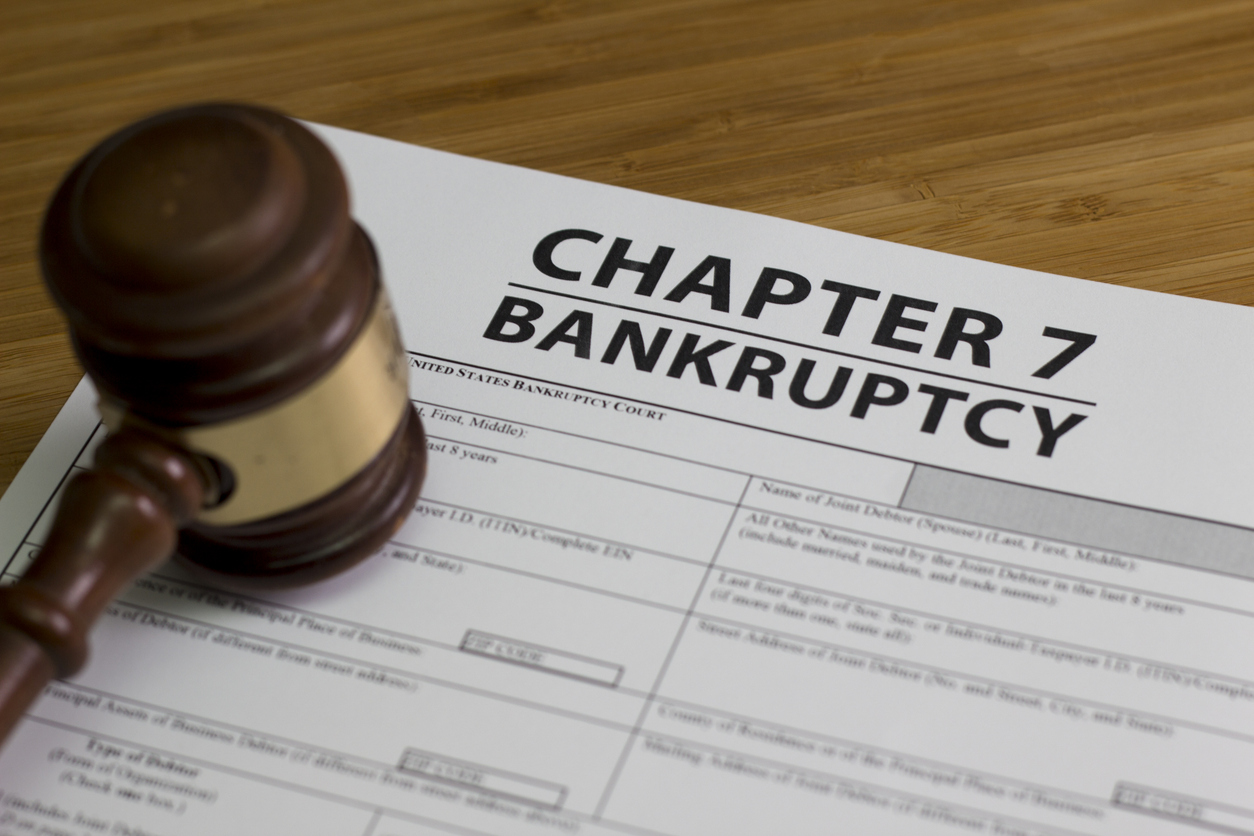
We never push clients at Licata Bankruptcy Firm to keep or surrender a particular car. Instead, we gather the loan balance, realistic value, payment terms, and your monthly budget, then sit down and review both scenarios side by side. By filling out the bankruptcy paperwork together and modeling what your finances would look like with and without the current vehicle, you can choose the path that best supports your long-term stability.
Common Misconceptions About Bankruptcy, Cars, And Repossession
Misunderstandings about how bankruptcy affects vehicles keep many Springfield residents stuck for far longer than they need to be. One of the most common beliefs is, “If I file bankruptcy, I will automatically lose my car.” In reality, many Chapter 7 and Chapter 13 filers keep their vehicles. Exemption laws allow you to protect a certain amount of equity, and as long as you can handle the payment or structure a plan around it, keeping a car is often entirely possible.
The opposite misconception is also widespread. Some people think, “Once I file, the lender can never repossess my car again, no matter what.” The automatic stay and, in Chapter 13, the plan, provide strong protection, but they are not unlimited shields. If you stop making required payments after filing, the lender can ask the bankruptcy court for permission to repossess, or the car can still be in jeopardy once the case ends if you are behind. Bankruptcy creates a breathing space and new structure, not a lifetime guarantee.
Co-signer issues are another area where assumptions can be dangerous. Borrowers sometimes believe that if they file bankruptcy, the co-signer is also relieved of responsibility. In Chapter 7, that is generally not true because the lender can still pursue the co-signer for the full amount. Chapter 13 provides more tools to protect co-debtors while you make payments, but even then, the details matter. If a parent, partner, or friend helped you get the car, they need to be part of the planning process, so no one faces surprises.
These misconceptions persist because most people only see one or two bankruptcies up close, usually from friends or relatives whose situations are not identical. Creditors sometimes add to the confusion by making broad statements on the phone that are designed to push you toward their preferred outcome, not yours. Online information can also be misleading when it does not account for Missouri laws or local Springfield practices. The safest approach is to treat each bold statement you hear as a question to bring to a bankruptcy lawyer rather than as a fact.
When we meet with clients, we make a point of correcting these myths with concrete examples. We might show how one person kept a paid off but modest car in a Chapter 7 because it was fully exempt and affordable, while another used Chapter 13 to catch up on payments for a newer vehicle. By tying legal rules to real-world scenarios, we help you replace vague fears with a clear understanding of what is actually possible in your case.
When To Talk to a Springfield Bankruptcy Lawyer About Your Car Loan
Many people wait until the situation feels hopeless before reaching out for advice. By the time they call, they are several months behind on the car, juggling payday loans to cover insurance and gas, and ignoring calls from the lender because every voicemail feels like bad news. While we can still help in many of these cases, earlier conversations almost always leave more room to maneuver, especially with vehicles.
Warning signs that it is time to talk with a Springfield bankruptcy lawyer include being more than one payment behind, receiving written repo threats, routinely skipping other bills to cover the car payment, or using high-interest credit just to make ends meet. If you find yourself parking the car around the corner from home because you are worried about a tow truck, it is time to get clear on your rights and options. The earlier we know what is happening, the more likely it is that we can align the timing of a filing with your goals for the vehicle.
In a consultation at Licata Bankruptcy Firm, we look at the complete picture. That includes your car loan, any other vehicle loans, your mortgage or rent, credit cards, medical bills, income, and family obligations. We walk through what Chapter 7 would mean for your car, what Chapter 13 would look like, and whether either route lines up with your priorities. We fill out paperwork together so we can spot issues like unprotected equity or cosigners early and design a strategy around them.
Because repossession often moves quickly, we offer same-day and emergency appointments when someone is facing an immediate threat. In some cases, we can also move promptly to file a bankruptcy case so the automatic stay is in place before a repo is completed. While no result is guaranteed, having a dedicated bankruptcy team that understands how lenders and the Springfield court handle these situations gives you a much better chance of protecting the transportation you rely on.
Find Out How Bankruptcy Could Protect Your Car & Your Future
If you are behind on car payments in Springfield and worried about repossession, you are not alone, and you are not out of options. Bankruptcy is not the right choice for everyone, but for many people it turns a frightening, unpredictable situation into a structured plan. It can give you the power to decide whether to keep or surrender a vehicle, how to deal with missed payments, and how to fit the car into a realistic long-term budget instead of living month to month in crisis mode.
The right path depends on your specific loan terms, how far behind you are, your income, and your goals for your family. Those are details a blog cannot fully capture, but they are exactly what we work through with clients every day at Licata Bankruptcy Firm. If you are seeing repossession warnings, or even if you are just starting to fall behind and want to avoid reaching that point, talking with a Missouri bankruptcy lawyer now can make a real difference in what choices you have.
We are ready to sit down with you, review your car loan and other debts, and explain in plain language how Chapter 7 or Chapter 13 could affect your vehicle and your overall finances. Reaching out for advice is the first step toward moving from fear and guesswork to a concrete plan you can live with.
Call (417) 213-5006 or contact us online to schedule a confidential consultation about your car loan and bankruptcy options in Springfield.